

For players in Canada, how well an online casino operates isn’t just a nice perk; it’s the whole game https://lotto-casinoo.eu/en-ca/. Lotto Casino, available at lotto-casinoo.eu/en-ca/, operates in a crowded space where software swiftness, consistency, and trustworthiness make or break the encounter. I took a close inspection at the technical performance of Lotto Casino’s software from a Canadian perspective. This assessment covers platform loading times on different machines, the stability of its games on typical Canadian internet connections, and how well its own systems work with games from other providers. My objective is to provide a clear, impartial view of the platform’s technical core. This impacts everything from a quick slot play to a tense live dealer session. Knowing how the software operates counts to players who seek a smooth gameplay without annoying pauses or crashes. It also shows how Lotto Casino stacks up against other alternatives for Canadian players, pointing out its strong aspects and where the technology might benefit from a adjustment in a market that demands instant outcomes and digital accuracy.
Main Platform Stability and Uptime Reliability
If an online service is unavailable, nothing else matters. For a casino, consistent uptime is everything. Lotto Casino’s platform demonstrates a high degree of stability, with very few widespread server outages mentioned by users in Canada. The main website and the systems for managing your account—like the cashier and verification tools—run on infrastructure that maintains their availability almost all the time. This reliability allows players to log in, move money, and search for games without hitting a surprise “down for maintenance” page. Technically, this suggests good server management and probably the use of load-balancing to accommodate visitor traffic. For someone in Toronto or Vancouver logging in on a busy Saturday night, this consistent uptime creates trust. Of course, no platform is perfect and occasional hiccups happen, but the overall operational consistency implies a foundation built for 24/7 access. That’s a basic requirement in this business. From what I’ve seen, scheduled maintenance is usually announced ahead of time and done when fewer people are online, which minimizes the disruption. This proactive way of handling the technical groundwork is a crucial, if unseen, part of software performance. It stops user frustration before it starts and develops a reputation for dependability when players have plenty of other choices just a click away.
System Responsiveness: Cashier & Account Handling
How well the backend systems work, like the cashier and your account dashboard, is a key piece of overall software performance. A lagging payment process can irritate a user more than a slow-loading game. Lotto Casino’s integrated cashier manages transactions with impressive speed. Deposit requests, especially for instant methods like Interac, are processed and the funds are reflected in your balance almost instantly. Withdrawal requests pass through the system within the advertised timeframes. The interface for looking at your transaction history populates quickly. Similarly, managing your account—modifying your address, checking bonus terms, or uploading documents for verification—happens without any significant delay. This responsiveness shows the casino’s software architecture coordinates database calls and financial processing efficiently. It makes the operational side of the experience as smooth as the fun side. For Canadian players, this results in less time spent on admin tasks and more time gaming. How these modules function is especially vital during busy times, like right after a big jackpot pays out or before a major hockey game, when lots of people might be attempting to transact at once. Lotto Casino’s backend proves to scale up effectively, keeping response times snappy and ensuring your financial data is kept both secure and instantly available. That’s crucial for building user trust and satisfaction.
Management of Peak-Traffic Periods and Update Rollouts
Software performance gets tested under strain during high-traffic events. Think major sports finals, the launch of a popular new slot, or a big promotional offer. Lotto Casino’s platform demonstrates stability during these times. There exist no widespread reports from Canadian users about crashes or severe slowdowns when, for example, a popular new game arrives or a progressive jackpot is won. This implies the company employs scalable server resources and probably a cloud-based setup that can add more computing power on demand. Furthermore, the process for rolling out software updates—for new features, payment methods, or to meet regulations—creates minimal disruption. The web-based model enables updates to be deployed directly to the servers. Users effortlessly get the latest version the next time they log into the site, with no need to download patches. This uninterrupted update process is a major performance advantage. It assures all players are on the same reliable, secure, and feature-complete version of the platform at all times. This eliminates the fragmentation and related support headaches that can arise with multiple versions. The platform’s ability to deploy these updates, often during quiet hours, without taking the whole site offline for maintenance is a complex feature. It reflects a mature and well-managed software development cycle, which directly benefits the Canadian player base by keeping their experience flawless.
Multi-Device Compatibility and Operating System Support
A reputable online casino needs to work consistently across the broad variety of devices and operating systems Canadians use. Lotto Casino’s web-based software shows broad compatibility. On desktop, it runs efficiently on Windows PCs and Apple Macs using major browsers like Google Chrome, Mozilla Firefox, Microsoft Edge, and Safari. People rarely note big performance differences between these environments, which suggests the company does rigorous cross-browser testing. Mobile compatibility includes a wide range of pitchbook.com smartphones and tablets, from iPhones and iPads to Android devices by Samsung, Google, and others. The software dynamically detects your device and serves up the version of the site and games that performs best for it. This all-encompassing approach means users don’t have to tinker with device-specific fixes. It also ensures a uniform standard of performance whether you’re on a top-tier gaming laptop or a mid-range smartphone, which is crucial for accessibility. The platform performs notably well on previous operating system versions. Instead of crashing, it reduces some functionality gracefully. This ensures a broader audience can still use the service. This broad compatibility stems from sticking to open web standards and running rigorous quality checks that simulate the actual tech landscape of Canadian users.
Security of Software and Equitable Gaming Certification Standards
Software operation isn’t only about speed. It also encompasses the platform’s integrity and safety. Lotto Casino’s software uses cutting-edge security systems, including SSL encryption. This runs quietly in the background to protect your data without slowing down the game. Game fairness comes from certified Random Number Generator (RNG) systems. Independent auditors examine these RNGs. They are intricate algorithms built into each game’s software, and their effectiveness is judged by how unpredictable they are and how closely they match the published return-to-player (RTP) percentages. The platform’s ability to support these certified games without tampering with them is a performance metric about trust. Certifications from bodies like eCOGRA verify the software operates as promised, delivering random and fair results. This underlying performance is crucial for player confidence. It shows the software is not just fast, but also works with solid integrity and clarity. These security and fairness systems run uninterrupted and without manual input, conducting numerous audits without placing any significant strain on your device or disrupting your experience. This invisible, impeccable operation lets players concentrate on having fun, knowing the software’s core components are performing their essential tasks correctly.

Real-Time Gameplay Smoothness and Lag Assessment
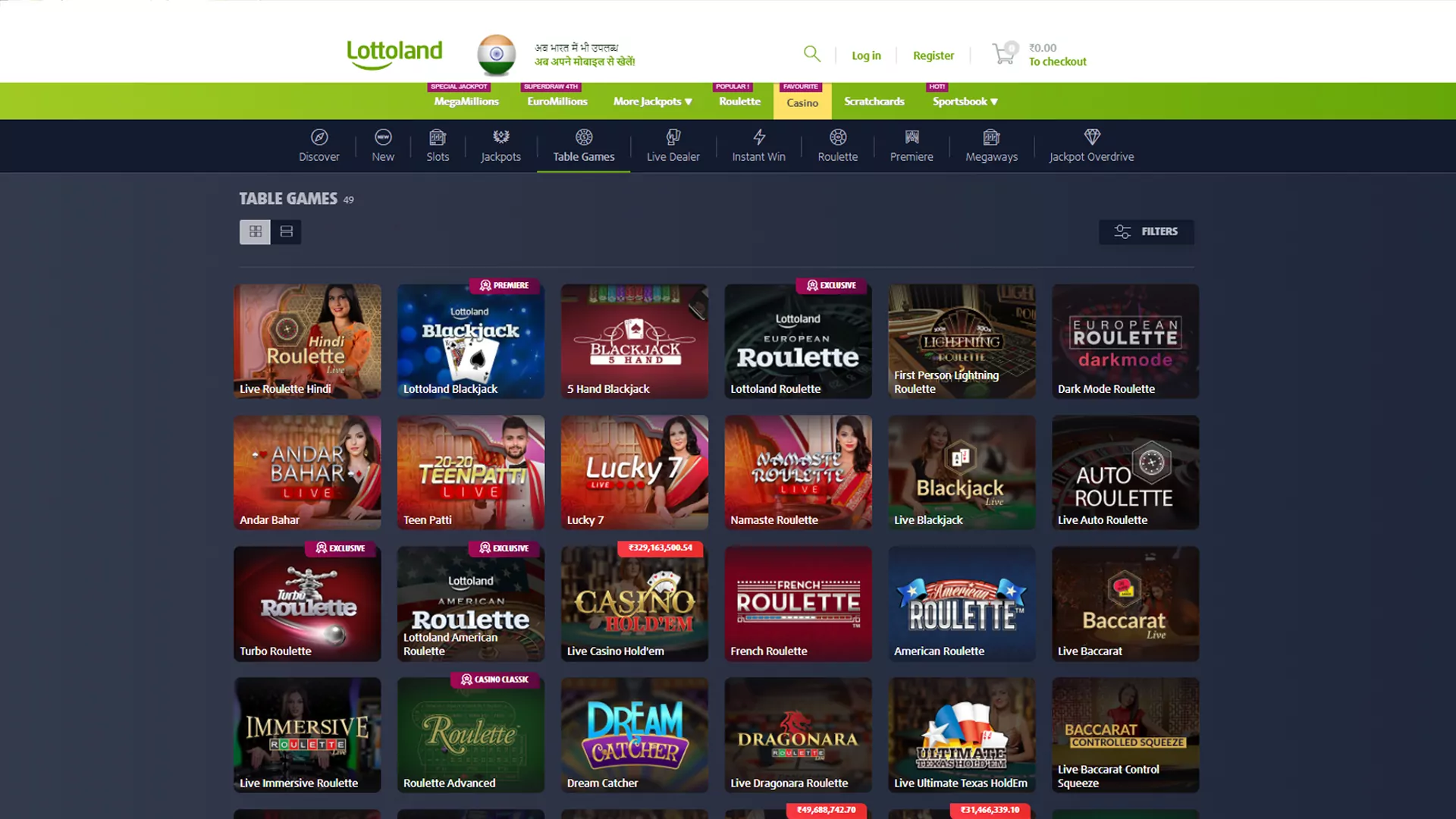
After a game loads, the real evaluation begins: how smooth is the actual play? For video slots, this means reel spins with no stutter, quick bonus feature animations, and crisp graphics during complex sequences. Lotto Casino’s software, which acts as a host for other companies’ games, generally handles this well. Most slot games run at a consistent 60 frames per second, which looks fluid. In table games like blackjack or roulette, the input lag—that tiny delay between clicking “hit” and the card appearing—is barely there. This is crucial for games where timing and strategy count. The most challenging test is the live casino. Here, Lotto Casino relies on the streaming tech of partners like Evolution. Streams typically come through with low latency to Canadian servers, so you see the card deal or the roulette wheel spin almost in real-time in games like Lightning Roulette or Dream Catcher. Sometimes the video quality might dip if your own internet is congested during peak hours, but the platform does a solid job keeping the stream stable and in high definition. It uses adaptive bitrate streaming, which changes the video quality on the fly based on your connection speed without stopping the game. The fact that there aren’t persistent lag issues or sync problems between the video feed and your game controls is a good sign. It shows sophisticated software integration and network tuning that considers Canada’s internet infrastructure.
Game Loading Speeds and Initialization
The initial benchmark of performance is game startup speed. Lotto Casino has a extensive collection of slots, table games, and live dealer options. Loading speeds differ, mostly according to which company made the game. Titles from big studios like NetEnt, Play’n GO, and Pragmatic Play usually start in just seconds on a decent Canadian broadband connection, moving you smoothly from the lobby into the action. The casino’s own game-launcher seems lightweight, bypassing flashy pre-load animations that can slow you down. That said, some games with intensive visuals or from providers with less efficient code might take a few extra seconds to load. It’s a minor lag, but you can feel it. Games built on HTML5 work exceptionally well, starting quickly on both desktop and mobile browsers without needing extra plugins. This focus on modern web standards makes a powerful initial impact. Players aren’t left watching a loading screen, which keeps them interested and stops them from leaving out of impatience. The startup process also loads game rules, paytables, and bet settings instantly. How efficiently this data is fetched and displayed is a testament to the casino’s backend design and its use of a content delivery network (CDN). It helps ensure that even players in remote regions of Canada don’t wait long before they can play.
Smartphone Browser Performance vs. Dedicated Application
An increasing number of Canadian players are accessing phones and tablets, so performance on mobile is a key metric. Lotto Casino uses a responsive web design, so the site adjusts itself to fit different screen sizes. Speed on mobile browsers like Chrome and Safari is robust. Games often launch just as fast as they do on a desktop computer. The HTML5 foundation makes touch-screen controls for slots feel smooth. It’s important to note that Lotto Casino doesn’t have a dedicated app you can download from the iOS or Android app stores in Canada. This seems to be a deliberate choice. It enables the company dedicate all its resources on the web platform, so every update and new feature is available to everyone immediately, without waiting for app store approval. The mobile browser experience is polished enough that not having an app isn’t a major performance disadvantage. Games are optimized for touch, and navigating the site feels swift, assuming your device isn’t too old and your mobile data or Wi-Fi is reliable. Performance also covers important features like using your fingerprint or face to log in on supported devices, and the instant change between portrait and landscape mode for different games. This consistent experience across devices eliminates the fragmentation that can happen when a company tries to maintain separate app and web codebases. It enables Lotto Casino center its performance tuning on one unified platform.
Performance Improvement Areas and Future Outlook
While Lotto Casino’s software performance is mostly solid, I see a few aspects where the user experience could get enhanced. Building a progressive web app (PWA) could bridge the gap between the mobile browser and a native app. A PWA could provide features like basic offline browsing of the lobby and push notifications, all without a big performance cost. Some players point out that the search and filter tools in the massive game library could be more responsive. This indicates room for optimization in how the game data is searched and displayed on your screen. Looking ahead, integrating advanced, more demanding tech like virtual reality casino games or 4K streaming for live dealers will challenge the platform’s performance capabilities. The commitment to a modern, HTML5-based web foundation puts Lotto Casino in a good position to integrate these technologies effectively. For players in Canada, the expectation is that the current standard of consistent, speedy performance will continue. It should also become the foundation for more immersive and innovative gaming experiences down the road. The platform’s performance path will depend on ongoing investment in its technical infrastructure and a development plan that keeps the user at the heart, balancing stability with new performance-boosting tech. A few technical priorities could help sustain and improve performance:
- Advanced Caching Strategies: Using more robust caching for static assets and game lists on both the server and the user’s device could lower load times, even when traffic is high.
- Network Protocol Upgrades: Moving to newer protocols like HTTP/3 might decrease latency and improve connection stability, which would be a benefit for live dealer streams.
- Predictive Pre-loading: Software could study a user’s habits to guess which game they might play next, then pre-load key assets in the background. This would produce a feeling of instant loading.
- Regional Server Optimization: Adding or fine-tuning content delivery network nodes inside Canada would shorten the data path for players in all provinces, from British Columbia to Newfoundland.